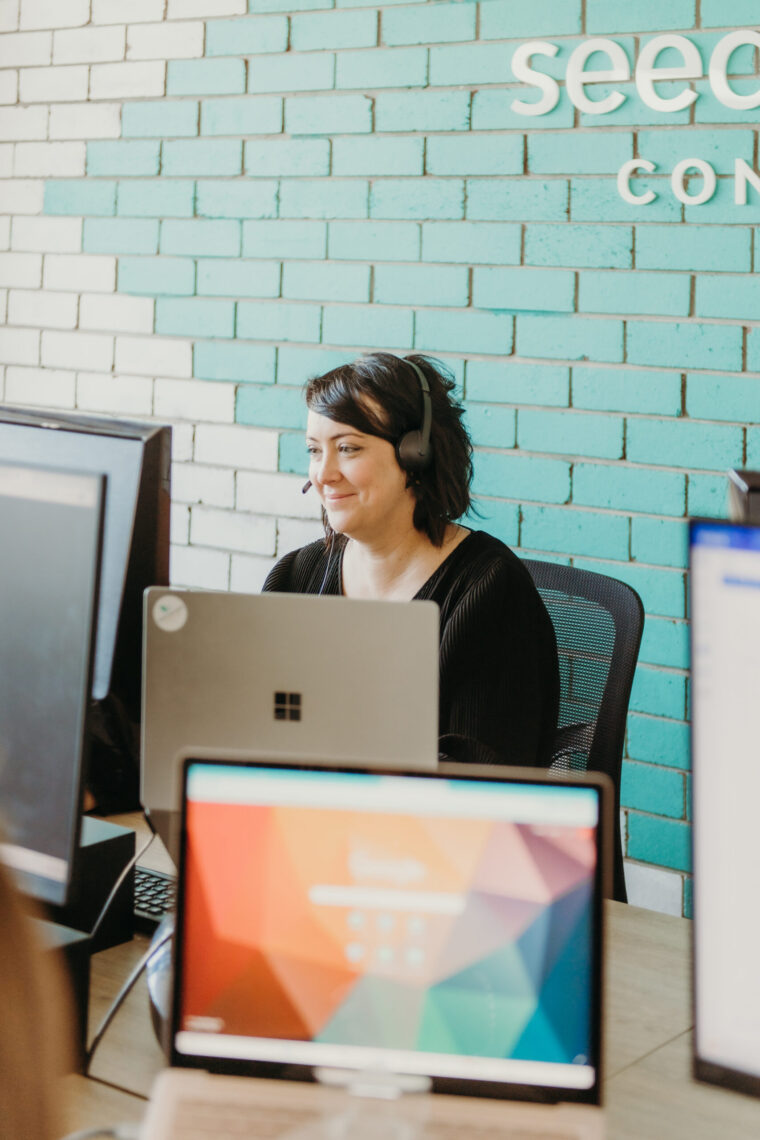
Team Development Consultants: Newcastle & Sydney

Is your team performing at its best, or just getting by?

High-performing teams don't happen by accident. They're built through shared purpose, trust, clear communication and a commitment to working well together.

Based in Newcastle and working with organisations across Sydney, the Hunter Region and beyond, our team development consultants help you create teams that collaborate effectively, hold each other accountable and deliver results.

Why Team Performance Matters

Team building exercises often get a bad rap, and for good reason. Trust falls and icebreakers rarely translate into better collaboration back at the office. But developing genuinely effective teams? That’s a different story. When teams work well together, the benefits flow through the entire organisation: stronger culture, better retention and improved organisational performance.

Research by Gallup found that teams with high employee engagement are 23% more profitable and 18% more productive than their disengaged counterparts. And McKinsey research shows that executives are five times more productive when working in a high-performing team than they are in an average one. Team effectiveness isn’t a nice-to-have. It’s a competitive advantage.

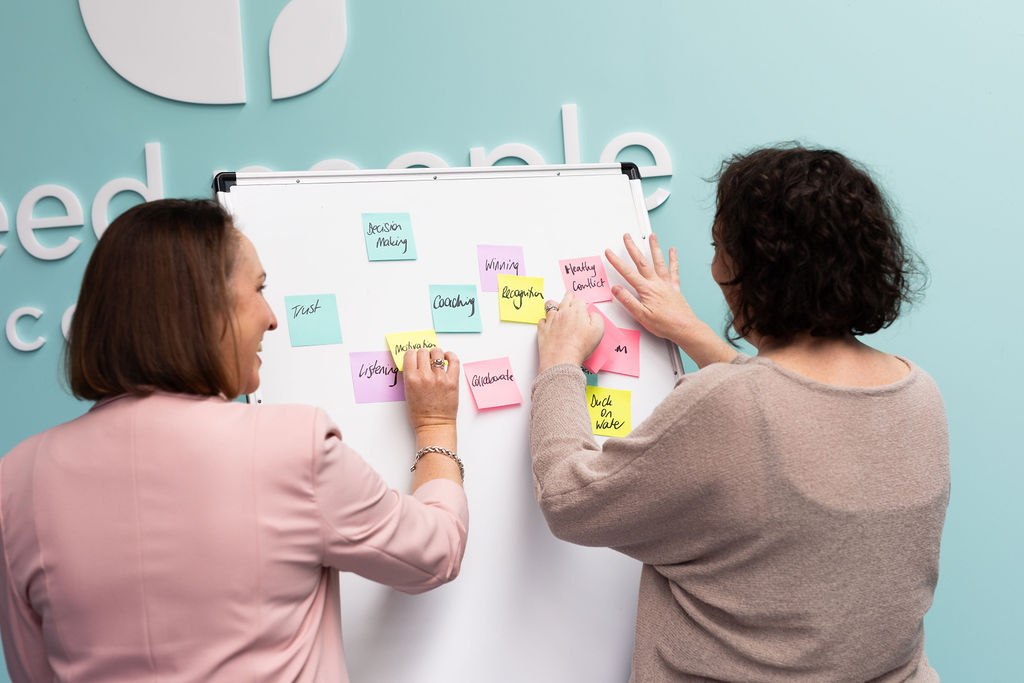
Our team development programs go beyond surface-level activities. We help teams understand how they work together, build trust and psychological safety, and develop the habits and practices that lead to sustained high performance. Whether your team is co-located, hybrid or fully remote, we have the tools and experience to help.

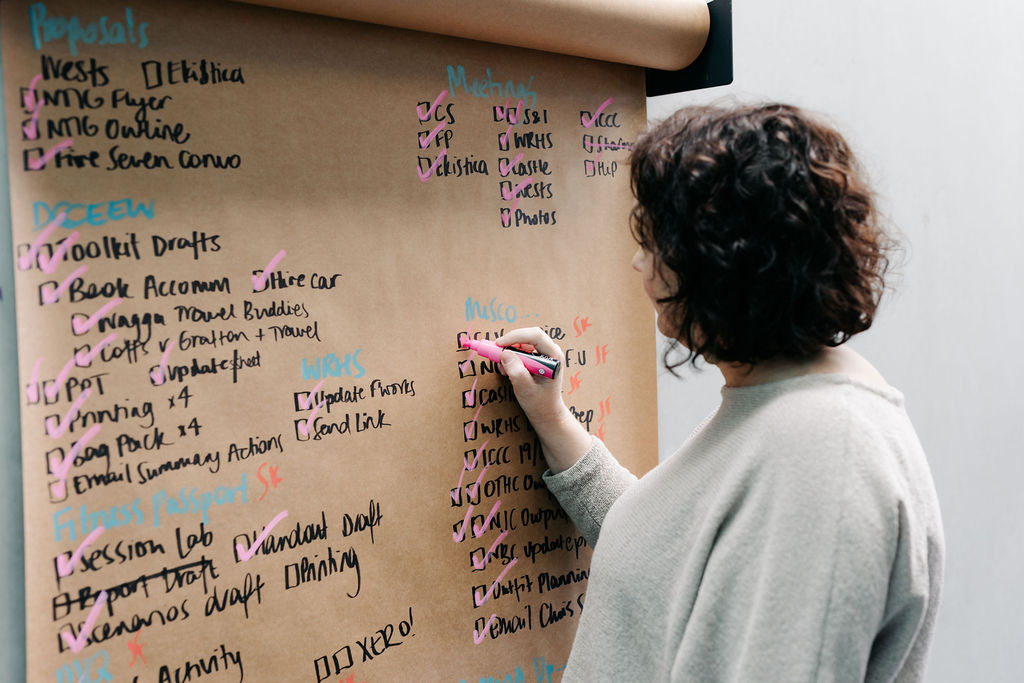
What Is Team Development?

Team development is the process of improving how a group of people work together to achieve shared goals. It involves building trust, clarifying roles and responsibilities, improving communication, and creating the conditions for effective connection and collaboration. Unlike one-off team building activities, team development is an ongoing process that focuses on how the team operates day to day.

Why Invest in Your Teams?

At Seed, we use evidence-based frameworks and accredited diagnostic tools to understand your team’s current dynamics. We then work with you to design practical interventions that address the specific challenges your team faces, whether that’s building trust, improving accountability, navigating conflict or aligning around a shared purpose.

Our Approach to Team Development

Every team is different, which is why we don’t use cookie-cutter programs. Our team development approach is tailored to your context, your challenges and your goals. Here’s how we typically work:

Diagnostic Tools for Teams

As part of our work together, we may ask your people to spend some time completing the following diagnostic tools.

Opportunities – Obstacles Quotient (QO2) Profile

Provides feedback on how an individual responds to new situations and change, solves problems, focus on goals and how they view time.

Team Management Profile (TMP)

Gives you insights into how you prefer to work and how you're likely to interact with others in the workplace.

Emotional Quotient Inventory (EQ-i 2.0)

Measures an individual's emotional intelligence. It's based on 15 competencies grouped into five composites.

Life Styles Inventory™ (LSI)

Uses self-assessment and colleague feedback to identify your thinking and behavioural styles (strengths and weaknesses).

The Seed Team are passionate, skilled and engaging facilitators, who establish trust within their client groups quickly. Their authentic and personable approach sees them draw the best out of the people they work with, and creates an environment where people feel safe to be vulnerable - this is where the magic happens! The Seed team are knowledgeable and up to date with current trends and innovations, making a genuine effort to share learnings and resources with their clients. We look forward to continuing to grow together.

Rachel Jones - Manager People Operations
Wests Group

‘‘Great things in business are never done by one person. They’re done by a team of people.’’- Steve Jobs

Building Trust and Accountability in Teams

Patrick Lencioni’s Five Dysfunctions of a Team model provides a useful framework for understanding why teams struggle. The five dysfunctions are: absence of trust, fear of conflict, lack of commitment, avoidance of accountability, and inattention to results. Each builds on the one before, and addressing them requires starting with the foundation: trust.

In our work with teams across Newcastle, Sydney and beyond, we often see teams stuck in patterns of artificial harmony (avoiding the difficult conversations) or individual focus (prioritising personal goals over team outcomes). Our team development programs help teams have the honest conversations they’ve been avoiding, build genuine trust, and create a culture of mutual accountability.

What We Deliver

  • Establishing a common team purpose (aligning around why the team exists and what success looks like)
  • Articulating team values and behaviours (creating shared agreements about how you’ll work together)
  • Building trust across the team (creating psychological safety and genuine connection)
  • Developing accountability (building the confidence to hold each other to commitments)
  • Understanding ourselves and our teammates (using diagnostic tools to build self-awareness and appreciation for different styles)
  • Improving stakeholder engagement (strengthening how the team works with others across the organisation)
  • Navigating conflict constructively (moving from avoidance to productive debate)
  • Custom team development programs (tailored to your team’s specific context and challenges)
  • Facilitation of team development workshops (interactive sessions that surface the real issues)
  • Co-design of team charters and agreements (practical tools your team can use every day)

Your Team Development Consultants

Seed People Consulting is led by Stacey Kelly (Stace) and Julia Fiore (Jules), who bring years of experience helping teams across not-for-profit, government, education, healthcare and professional services work more effectively together. We’re fully accredited in a range of psychometric and diagnostic tools, including the Team Management Profile, EQ-i 2.0, Life Styles Inventory and Opportunities-Obstacles Quotient.

We’re passionate, skilled and engaging facilitators who establish trust quickly. Our authentic and personable approach helps us draw the best out of the people we work with, creating an environment where people feel safe to be vulnerable. That’s where the real progress happens.

[vc_btn title=”Meet the team” style=”flat” color=”primary” link=”url:https%3A%2F%2Fseedpeopleconsulting.com.au%2Fabout%2F”][vc_btn title=”Read our success stories” style=”flat” color=”primary” link=”url:https%3A%2F%2Fseedpeopleconsulting.com.au%2Fsuccess-stories%2F”]

Frequently Asked Questions

Team development is the process of improving how a group of people work together to achieve shared goals. It involves building trust, clarifying roles, improving communication, and developing the practices that enable effective collaboration. At Seed, we use diagnostic assessments, facilitated workshops and practical tools to help teams work more effectively together.

Team building typically refers to one-off activities designed to boost morale or create connection (think escape rooms or cooking classes). Team development is more substantive and ongoing. It focuses on how the team actually operates: how decisions are made, how conflict is handled, how feedback is given and received, and how accountability is maintained. Both have their place, but lasting improvement usually requires development, not just building.

It depends on your goals. A single facilitated workshop can be delivered in half a day or a full day. For teams wanting to make or embed deeper changes, we often work over several months with multiple sessions, giving the team time to practice new behaviours between workshops. We’ll help you design a program that fits your timeframe and objectives.

We’re accredited in several diagnostic tools including the Team Management Profile (TMP), Life Styles Inventory (LSI), Emotional Quotient Inventory (EQ-i 2.0) and Opportunities-Obstacles Quotient (QO2) as well as frequently leveraging The Five Dysfunctions of a Team Assessment. These tools help us understand how team members prefer to work, how they respond to change, and where development opportunities lie.

Absolutely. We’ve been running virtual team development sessions for years. While there’s value in bringing teams together in person when possible, we’ve developed effective approaches for remote and hybrid teams. We can deliver workshops virtually, in person at your office, or as a combination of both.

Yes. While we’re based in Newcastle, we regularly work with clients across Sydney, the Hunter Region and throughout Australia. We deliver a mix of in-person and virtual workshops to suit your organisation’s location and needs.

Read our latest blogs on teams